{
“title”: “Dependent Iqama vs Work Iqama: Key Status Changes”,
“slug”: “dependent-iqama-vs-work-iqama-status-switch”,
“meta_description”: “Switching from a dependent Iqama to a work Iqama changes sponsorship, fees, and legal rights in Saudi Arabia. Learn what shifts during status transfer.”,
“excerpt”: “Transferring your residency from a dependent visa to an employment residency completely alters your legal status, financial obligations, and workplace rights in Saudi Arabia. Understanding these shifts ensures a seamless transition without unexpected penalties or administrative delays.”,
“tags”: [
“Saudi Iqama”,
“Dependent Transfer”,
“Work Permit Saudi”,
“Iqama Status”
],
“content”: ”
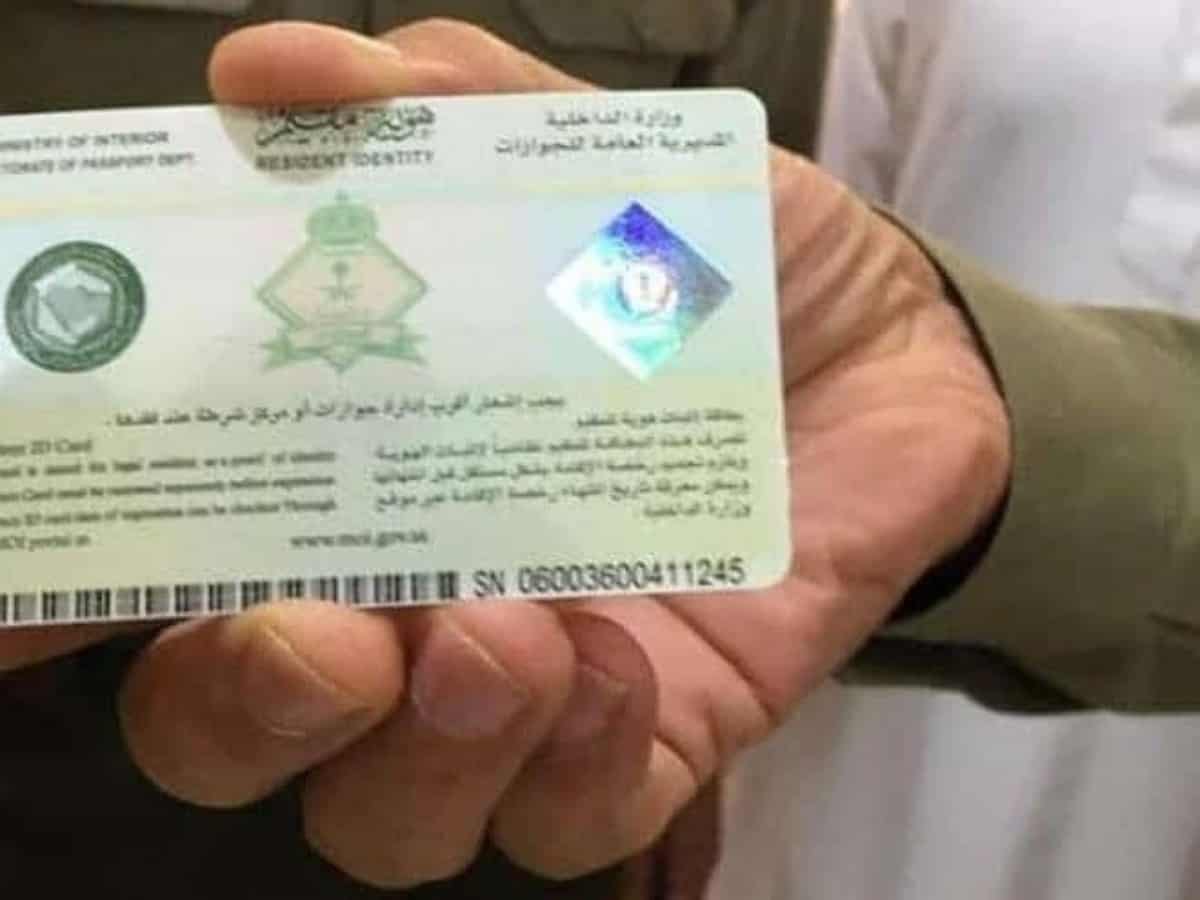
Switching from a dependent Iqama to a work Iqama shifts your legal status from an unpermitted visitor reliant on a family sponsor to an independent corporate employee with direct labor rights. This transition transfers your sponsorship to a business entity, enables legal employment, and eliminates monthly dependent levy payments. Completing this status change alters your legal responsibilities, financial commitments, and daily administrative permissions across Saudi Arabia.
Shift in Legal Sponsorship and Work Authorization
Under a dependent residency, your legal stay in Saudi Arabia connects directly to a primary sponsor, usually a head of household employed by a local company. You cannot legally accept compensated employment, freelance work, or short-term contract assignments on a dependent visa without explicit government authorization or a formal status transfer. Attempting to work on a dependent Iqama risks steep financial fines, labor violations, temporary detention, and potential deportation for both you and your non-compliant employer.
When you transfer to a work Iqama, a corporate entity or commercial establishment becomes your official sponsor through the Ministry of Human Resources and Social Development. Your right to work becomes legally protected by Saudi Labor Law, establishing enforceable protections regarding maximum working hours, overtime compensation, end-of-service benefits, and mandatory annual leave. Your employer registers your formal employment contract directly on the Qiwa portal, which legally binds both parties to the agreed terms and wage rates.
This transfer also fundamentally changes how your exit-reentry visas and residency renewals operate. On a dependent status, your primary family sponsor holds absolute legal control over issuing your exit-reentry permits through their personal Absher account. Once you hold a work Iqama, your corporate employer manages administrative permissions through organizational government portals, though recent labor initiatives allow workers to request exit and reentry permits directly under specific contract fulfillment conditions.
Financial Changes and Dependent Levy Elimination
The financial dynamic changes significantly when converting from a dependent to a corporate employee. Heads of household holding dependent residency must pay a recurring monthly dependent levy for each family member registered under their personal sponsorship file. Government rules mandate paying this fee upfront for the entire requested validity period whenever a family Iqama is renewed, modified, or extended.
Once your status officially changes to a work Iqama, your file is separated from your family head’s dependent list, immediately halting future dependent levy accumulations for your record. Your new employer assumes complete financial responsibility for government renewal fees, annual work permit fees, and Saudization compliance charges associated with your employment. Saudi Labor Law strictly forbids employers from deducting these operational fees from your monthly salary or passing recruitment costs onto you.
However, you must settle any outstanding dependent levy balance before the official transfer process can move forward. The Ministry of Human Resources and Social Development will reject any status transfer request if unpaid fees, traffic violations, or administrative fines remain on either your individual civil record or your primary sponsor’s Absher account. Ensuring all outstanding debts are fully cleared prevents unexpected portal rejections during the final approval phase.
Impact on Healthcare, Insurance, and Banking Rights
Healthcare provision undergoes a fundamental structural shift during status conversion. Dependents typically rely on private health insurance policies purchased individually by the family sponsor or provided as an optional extended benefit through the primary worker’s corporate package. Coverage limits, sub-limits, and medical network tiers for dependents often vary widely depending on the family’s chosen insurance class.
A work Iqama requires mandatory cooperative health insurance provided directly by your hiring employer, regulated under the Council of Cooperative Health Insurance standards. Employers must maintain continuous, verified medical coverage on your behalf as an essential condition for maintaining an active work permit in the national system. If your employment contract terminates or transitions, insurance policies updated through the CCHI database directly reflect your active working status.
Banking capabilities and financial autonomy expand significantly once your status shifts to direct employment. Dependent bank accounts frequently face operational restrictions regarding monthly transfer limits, international remittances, and credit card applications due to the absence of direct salary verification. With a work Iqama and a formal wage contract registered in the official Wages Protection System, financial institutions allow full personal banking services, including payroll accounts, personal loan products, credit facilities, and expanded transfer limits.
Navigating the Transfer Process and Common Obstacles
The status transition process requires carefully coordinated actions between your current family sponsor, your new corporate employer, and government digital portals. Your prospective hiring company initiates the transfer offer through the Qiwa platform, specifying your exact job title, professional classification, wage structure, and contract duration. Your primary family sponsor must then log into their personal Absher account or the official ministry portal to formally approve the release of your sponsorship.
Delays frequently happen when offered job titles do not align with educational credentials or official professional licensing requirements. Saudi Arabia enforces strict professional qualification checks for specialized fields such as engineering, healthcare, accounting, teaching, and technical IT roles. If your university degree is not fully attested by the relevant Saudi embassy and Ministry of Foreign Affairs, or if specialized board accreditation is missing, the government portal will automatically block the transfer request.
Another frequent operational obstacle involves corporate Saudization quotas within the national Nitaqat classification system. An employer categorized in a low Nitaqat tier or lacking available visa quotas cannot accept new status transfers from dependents. Verifying that your prospective employer maintains a high compliance status in Nitaqat before initiating the release request prevents your legal file from getting stuck in administrative processing delays.
Frequently Asked Questions
Can a dependent work legally in Saudi Arabia without transferring to a work Iqama?
Leave a Reply